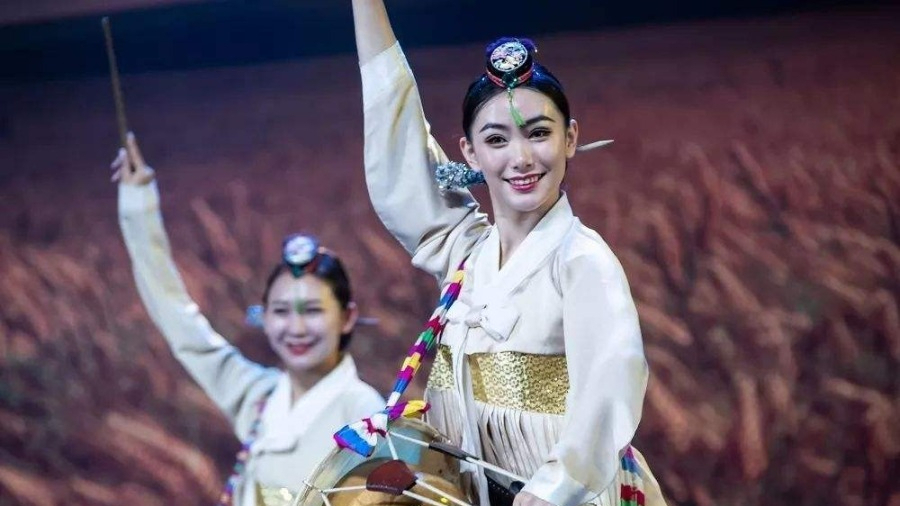
Korean Ethnic Group
Introduction
The Korean ethnic group is one of China's recognized ethnic groups residing predominantly in Northeast China. Over the years, they have established a vibrant community, preserving their unique cultural identity.
Demographics
Population Distribution
The Korean ethnic group is primarily concentrated in the Yanbian Korean autonomous prefecture in Jilin province. This region provides a cultural and administrative hub for Koreans in China. Aside from Yanbian, Korean communities can be found in other parts of Northeast China, though in smaller numbers.
Language
The Korean ethnic group predominantly speaks Korean, a language that belongs to the Koreanic language family. The dialect spoken by the Koreans in China is closely related to the dialects of North Korea, due to geographical and historical ties. In addition to Korean, many individuals in these communities are bilingual, speaking Mandarin as a second language.
Culture
Traditional Clothing
Traditional clothing for the Korean ethnic group includes the Hanbok, a vibrant and elegantly designed garment traditionally worn during festivals and celebrations. The Hanbok is characterized by its simple lines and vibrant colors, often consisting of a jeogori (a short jacket) and chima (a wrap-around skirt) for women, and a similar jacket with loose pants for men. This attire is an essential aspect of cultural identity and is celebrated during traditional events and festivals.
Cuisine
Korean cuisine is integral to the cultural identity of the Korean ethnic group. It features a variety of dishes that emphasize the use of rice, vegetables, and meats, often seasoned with sesame oil, soy sauce, and garlic. Popular dishes include kimchi, a fermented vegetable dish that is a staple in Korean meals, and bibimbap, a mixed rice dish with assorted vegetables and proteins. The cuisine reflects a balance of flavors and is known for its nutritional value and delightful taste.
Festivals
The Korean ethnic group celebrates numerous traditional festivals, which are significant in preserving cultural rituals and practices. One such festival is the Chuseok, similar to the Chinese Mid-Autumn Festival, which is a time for family reunions and honoring ancestors. During these festivals, traditional games and dances, such as the farmers' dance, are performed, reflecting the agricultural roots of the Korean people. These festivals are vital for cultural cohesion and offer a glimpse into the rich traditions of the Korean ethnic group.
Cultural Preservation and Promotion
Efforts to preserve and promote Korean culture within China are evident in various cultural and artistic initiatives. The Yanbian Korean autonomous prefecture frequently organizes cultural exhibitions and events to showcase the rich heritage of the Korean ethnic group. Traditional arts, crafts, and performances are promoted to ensure that younger generations continue to recognize and appreciate their cultural roots.








